
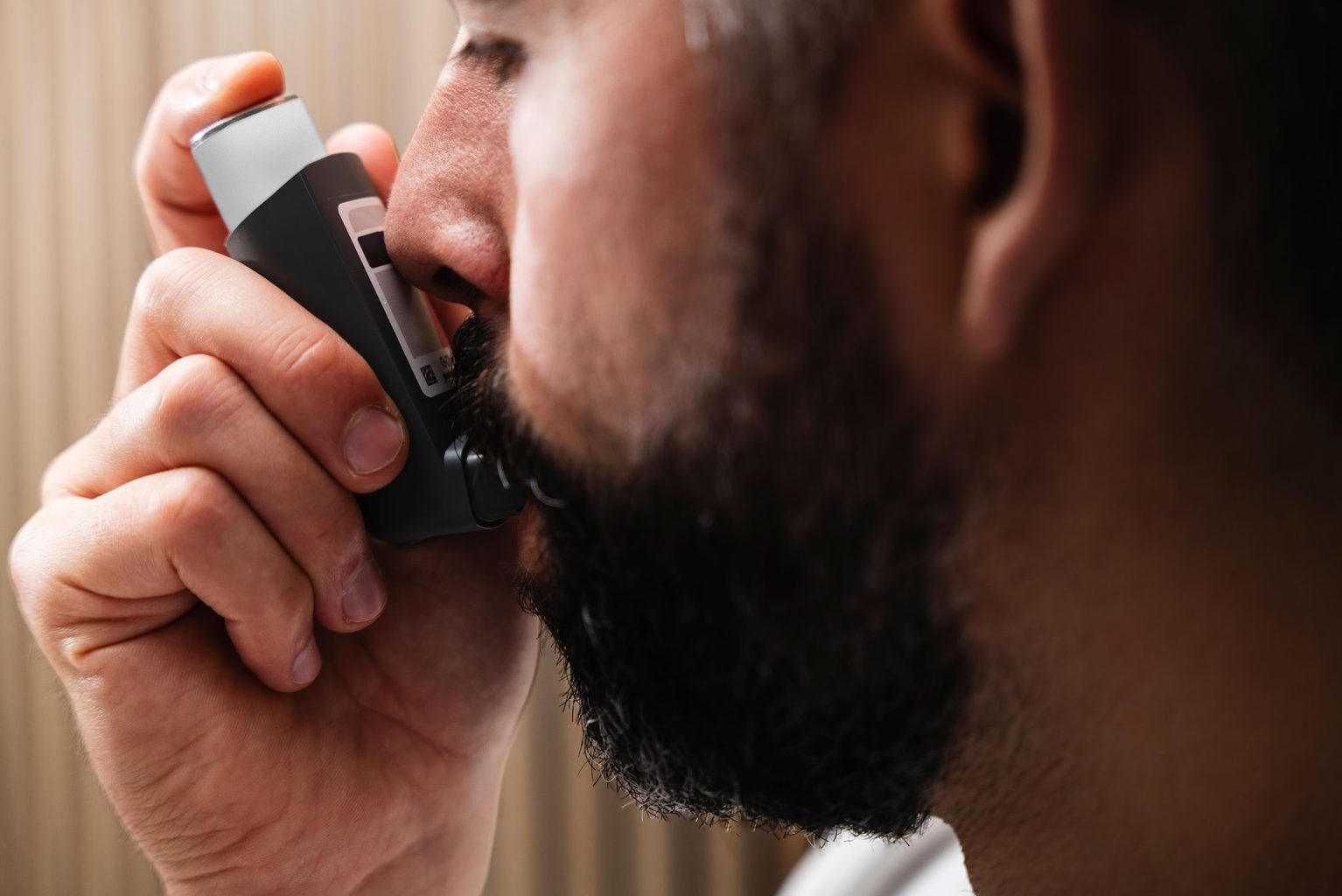
COPD can be recognised as a disability in Australia, but recognition depends on severity and function rather than diagnosis alone. Chronic obstructive pulmonary disease is a progressive lung condition that causes airflow blockage, making it harder to breathe over time. It’s an umbrella term covering chronic bronchitis and emphysema. Emphysema damages the air sacs in the lungs, reducing their capacity to transfer oxygen into the blood, while chronic bronchitis inflames and narrows the airways, causing excess mucus and a persistent cough. Common causes include long-term smoking, second hand smoke exposure, and occupational or environmental exposures.
A mild case that responds well to treatment may not meet the threshold for disability benefits, while advanced, severe COPD that significantly limits breathing and daily tasks often does. The key question isn’t whether someone has COPD, it’s how much the condition restricts their ability to work and manage normal daily activities.
Breathing Difficulties and Common COPD Symptoms
COPD symptoms include breathing difficulties and shortness of breath on exertion, chronic cough, frequent chest infections, flare ups, chest tightness, and fatigue. Chest pain can occur during flare-ups but is less common than the other symptoms. In mild cases, breathing difficulties typically appear only during physical activity. As COPD progresses, breathing problems can persist even at rest. COPD is also associated with higher rates of depression, linked to the disease’s ongoing impact on quality of life.
Severe COPD can turn everyday tasks, such as climbing stairs, carrying groceries, or getting dressed, into significant physical effort. Many Australians with advanced COPD experience disruption to their job, social life, and independence well before they consider applying for support. Disability assessors focus on this functional impact, not the diagnosis itself, which is why assessment by respiratory and sleep medicine specialists carries particular weight in a claim.
Medical Evidence Requirements for a COPD Disability Claim
A COPD disability claim relies on objective medical evidence linking the diagnosis to functional impairment. The medical evidence typically required includes:
- Spirometry – measures airflow limitation and confirms COPD staging
- Lung function tests, including DLCO – measure how efficiently oxygen moves from the lungs into the blood
- Arterial blood gas (ABG) tests – measure blood oxygen, carbon dioxide, and pH levels
- Pulse oximetry – a quick, non-invasive check of blood oxygen saturation
- Chest X-rays and CT scans – rule out other conditions and assess lung damage
- Blood tests – identify related or contributing conditions
Treating doctor’s records, medical history, and treatment history support the claim. Reports must connect test results and clinical findings directly to the person’s ability, or inability, to work and manage daily activities, in line with the DSP medical evidence requirements set out by Services Australia. General practitioner notes alone rarely provide the depth of analysis a claim requires.
Disability Support Pension and Other Financial Support
DSP is assessed under Australia’s social security law using the DSS Impairment Tables. To qualify, a condition must be diagnosed, reasonably treated, and stabilised, with an expectation that it will persist for at least two years. It must then score 20 points or more under the Tables, alongside an assessed inability to work 15 or more hours per week.
Stabilisation confirms COPD is eligible for assessment; it does not guarantee the 20-point threshold is met. Mild, well-controlled cases are less likely to score sufficiently, whereas advanced COPD with significant breathing limitation presents a stronger case for eligibility.
DSP is not the only avenue available. Severe COPD may also qualify for Total and Permanent Disability (TPD) benefits through a superannuation fund, or support workers’ compensation and personal injury claims where occupational exposure was a contributing factor.
Independent Medical Evidence You Can Rely On
For DSP appeals, TPD claims, or workers’ compensation matters, an independent medico-legal report often decides whether a COPD claim succeeds. Lex Medicus works with clinically active respiratory and general medicine experts who link diagnosis, test results, and severity to real-world function, exactly what assessors need.
Managing a COPD-related claim? Book an appointment with Lex Medicus today.